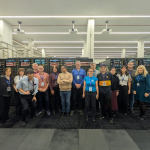
From 10 to 12 December, Catalonia International and I-CERCA, in collaboration with CREAF, organised the first foreign press visit to Catalan research centres to explore their work in the field of agronomy.
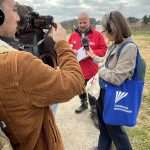
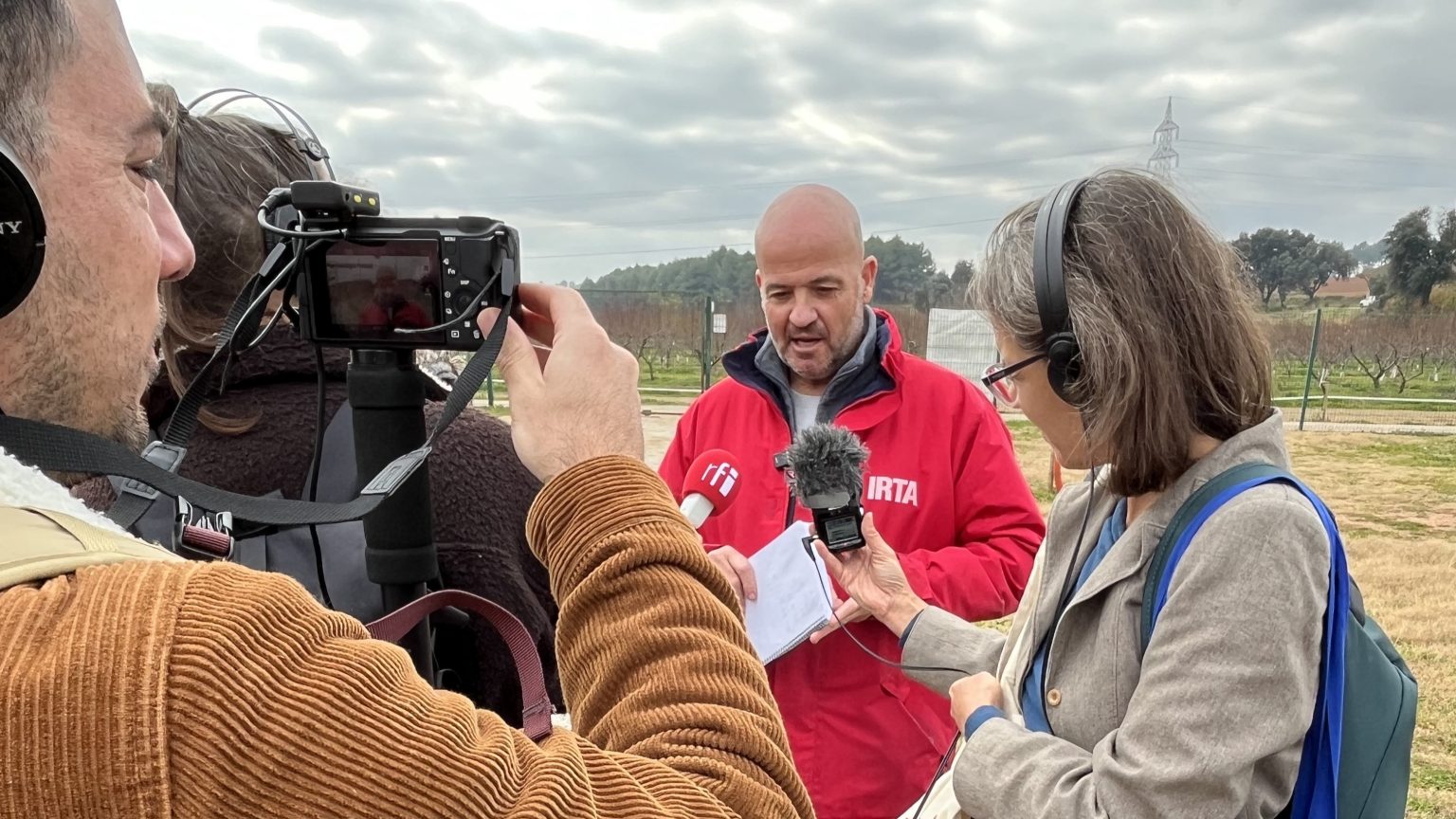
The event brought together 14 journalists from media outlets in Great Britain, Morocco, Latin America, France, Germany, Croatia, Slovenia, Slovakia, Japan, Belgium, Italy, and Spain, with the aim of learning first-hand about the most innovative projects.
Research to Address Major Global Challenges
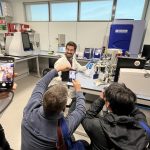
The centres showcased research lines tackling challenges such as food security, sustainability, and climate change adaptation. At CRAG, journalists learned about the METACAM project, which investigates the CAM metabolic pathway to develop crops more resistant to drought and with greater CO₂ fixation capacity. They also discovered studies on sorghum, a key crop for European agriculture, which led to the centre’s first spin-off: PLANeT Biotec.
Innovation and Sustainability in the Territory
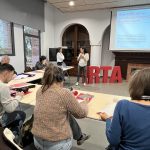
The tour continued at IRTA in Caldes de Montbui, where the new Tutti apple variety was presented—an outcome of a hybridisation programme aimed at creating varieties adapted to warmer climates.
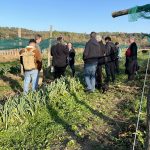
In Planeses (la Garrotxa), journalists visited the experimental farm where CREAF is developing two flagship projects: Regenera.cat and Life-Polyfarming. These initiatives apply agro-economy and climate-resilient agriculture adapted to the Mediterranean climate, using practices that improve soil health, reduce chemical use, and increase water retention capacity, contributing to more sustainable production.
Computational Science Serving the Planet
On the final day, the group visited BSC-CNS to learn about its Earth Sciences department and how supercomputing helps predict and mitigate the effects of climate change.
An Experience that Opens Doors
The three-day visit also included a meeting with the Minister for Research and Universities, Núria Montserrat.
As a pilot initiative, this event has been an opportunity to bring Catalan research closer to international media while preparing research centres to communicate effectively with a global and demanding audience.